Working at Heights Training
Working at Heights Training
Working at heights training is essential for industries where employees are exposed to elevated work areas such as construction, HVAC, telecom, roofing, and window cleaning. It helps workers understand serious fall risks.
In Ontario, this training is a legal requirement under the Occupational Health and Safety Act (OHSA) and Regulations 213/91 and 297/13. It is about reducing workplace accidents, improving job site safety, and ensuring workers are fully prepared.
Legal Compliance and Workplace Safety
Our training ensures your team meets all legal requirements while also learning practical safety skills that improve awareness and reduce risks on active job sites. It helps create a safer and more responsible work environment for everyone involved.
Purchase Courses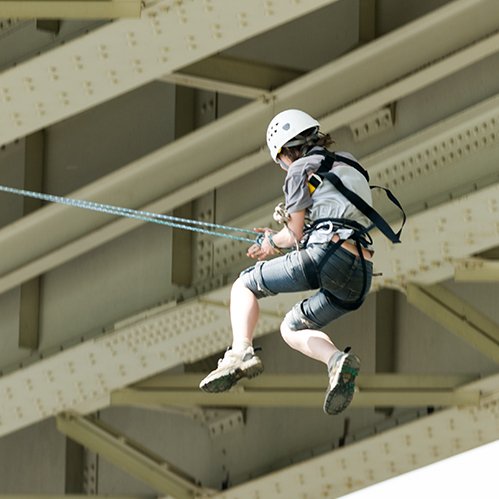
Our Services
Practical Training for Real Job Sites
Our approach focuses on real-world safety instead of just theory. Workers are trained to understand actual job site conditions so they can make safe decisions in high-risk environments.
We ensure participants not only complete the course but truly understand how to apply safety practices when it matters most. This helps reduce accidents and improves confidence when working at heights.
Complete Safety Coverage
We include fall prevention system awareness, safe ladder and scaffold use, PPE selection and inspection, guardrail and fall arrest system setup, emergency response procedures, and hazard identification. Each topic is designed to prepare workers for real workplace challenges.
Flexible and Convenient Training Options
We understand that work schedules can be busy and unpredictable, so we offer flexible training options that fit your needs. Sessions can be arranged on-site, in-person, or through blended learning formats.
We also provide weekend and short-notice bookings to ensure your team stays compliant without disrupting ongoing projects. Group training options are available to make it easier for growing teams to stay certified.
- Prevents height-related accidents
- Improves equipment handling
- Increases job confidence
- Meets legal requirements
- Enhances site safety
- Reduces liability risks