Amphibious Excavator OSHA Training
Amphibious Excavator OSHA Training
Amphibious excavator training is designed for operators working in challenging wetland environments such as rivers, marshes, flood zones, and shoreline construction areas. These jobs require specialized safety knowledge due to unstable ground.
Our amphibious excavator OSHA training in Ottawa, ON, focuses on real-world operating conditions and safety procedures. It helps operators develop the skills and judgment needed to work safely while protecting themselves, equipment, and the environment.
Safe Operation in Water-Based Environments
Working on waterlogged and unstable terrain requires strong awareness and precise decision-making. This training helps operators understand how to safely navigate amphibious equipment in dynamic and high-risk environments.
Purchase Courses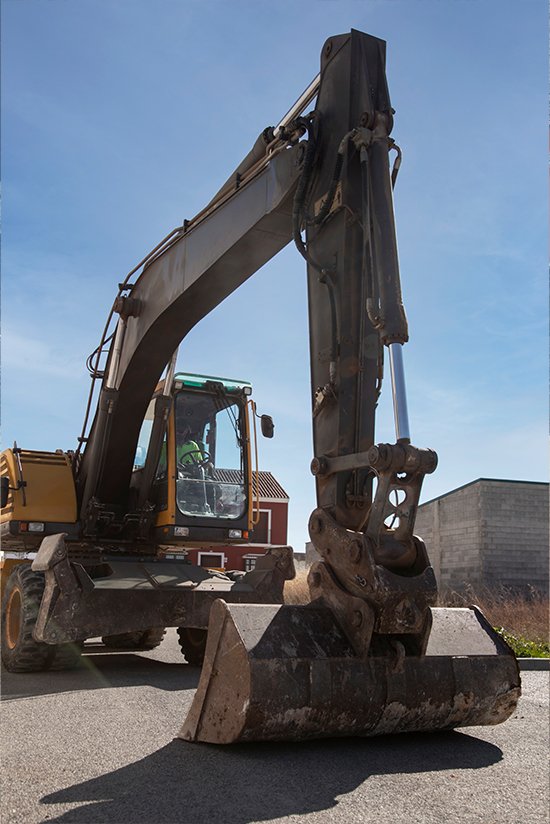
Our Services
Who This Training Is For
This course is designed for professionals working in water-based or environmentally sensitive construction and excavation projects.
It is ideal for amphibious excavator operators, construction crews, environmental contractors, municipal workers, and government teams involved in shoreline or wetland projects. It is suitable for both new and experienced operators needing certification or refresher training.
Key Skills and Learning Outcomes
You will learn how to assess water depth and ground stability, manage entry and exit procedures, inspect pontoons and hydraulic systems, coordinate with ground crews, and follow proper signaling and communication protocols.
Practical Training with Real-World Scenarios
Our training is built around real job-site conditions rather than theory alone. It includes scenario-based exercises that simulate real environmental challenges such as flooding risks, unstable soil, and equipment strain.
Participants learn how to make safe operational decisions under pressure and respond correctly to emergencies. This ensures better preparedness and safer execution of work in water-based environments.
- Ensures safe operation
- Reduces environmental risks
- Meets OSHA standards
- Improves equipment handling
- Prevents accidents
- Builds operator confidence